Written by: Basant El-Farmawy
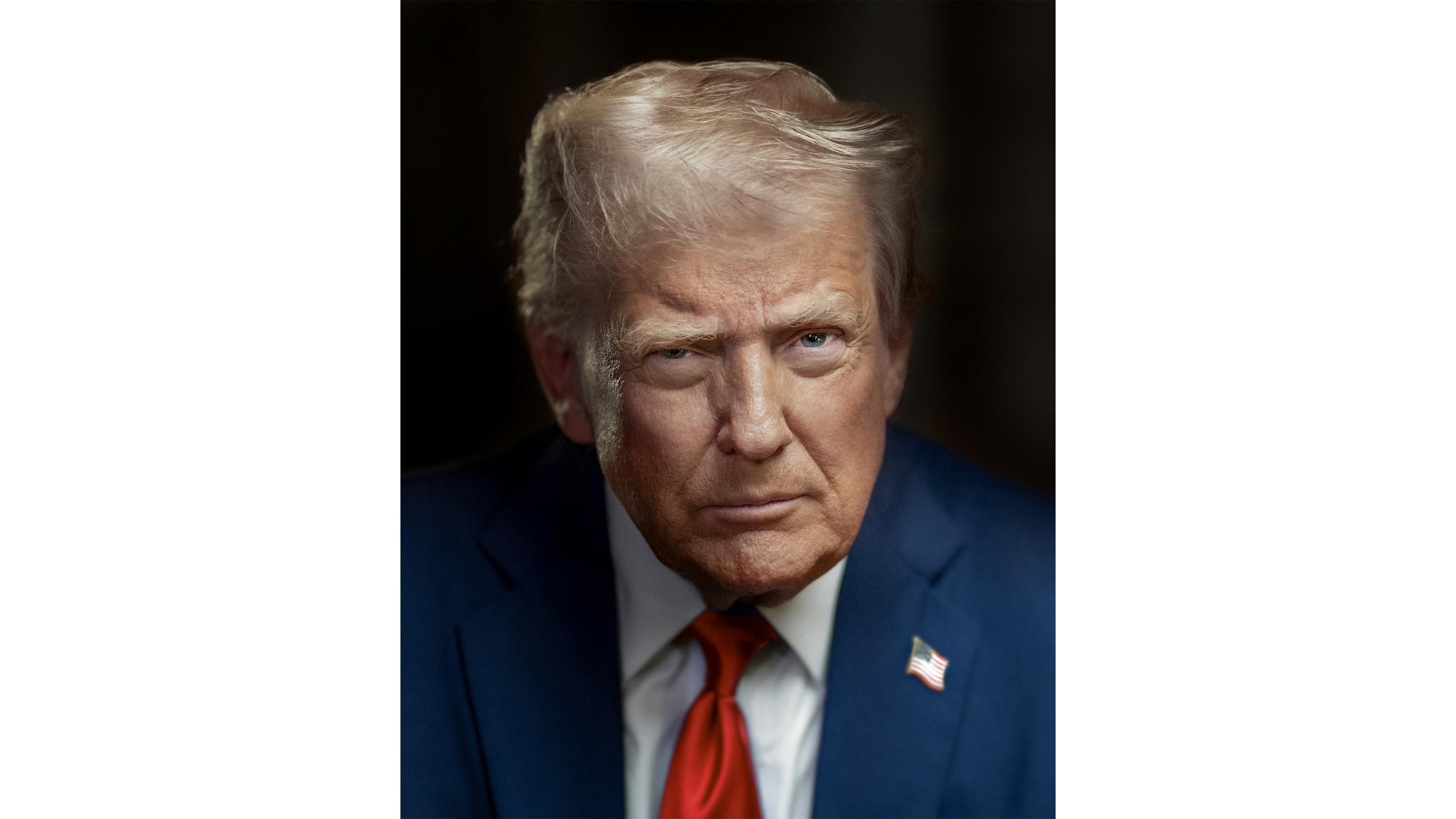
Global oil markets witnessed a notable decline in price levels following US President Donald Trump's announcement to lift some of the sanctions and tariffs imposed on Russia. This decision comes within the framework of new legislative legislation aimed at resetting the paths of economic relations and trade restrictions previously imposed by the United States, which led to immediate changes in the trends of traders in global markets.
Investors and analysts in the energy markets interacted with these political developments, as the decision was directly reflected in crude oil futures prices. December Brent crude futures fell by 1.0% to reach $108.72 a barrel. In the same context, West Texas Intermediate (WTI) crude futures for December delivery witnessed a 0.6% decline, with the price per barrel settling at $98.40.
The impact of political changes on energy markets
Energy markets are considered one of the sectors most sensitive to geopolitical events and legislative decisions issued by major powers. When trade policies are adjusted or sanctions are lifted on countries that are among the largest global exporters of oil and gas, such as Russia, this often leads to a reassessment of the volume of supply in global markets. Observers believe that this step may affect the flows of oil supplies, which contributes to reducing the state of ambiguity in the markets and gives investors a clearer vision regarding the availability of crude in the coming period.
Brent and WTI crude prices remain the main indicators relied upon by the world to determine energy costs, as these fluctuations resulting from political decisions contribute to influencing global economic expectations. Monitoring market movement after such announcements reflects the intertwined nature of sovereign decisions and economics in the energy sector, as markets remain in a state of constant anticipation for any updates that may occur to trade laws and international regulations governing the trading of natural resources.


