Written by: Fatima Younis
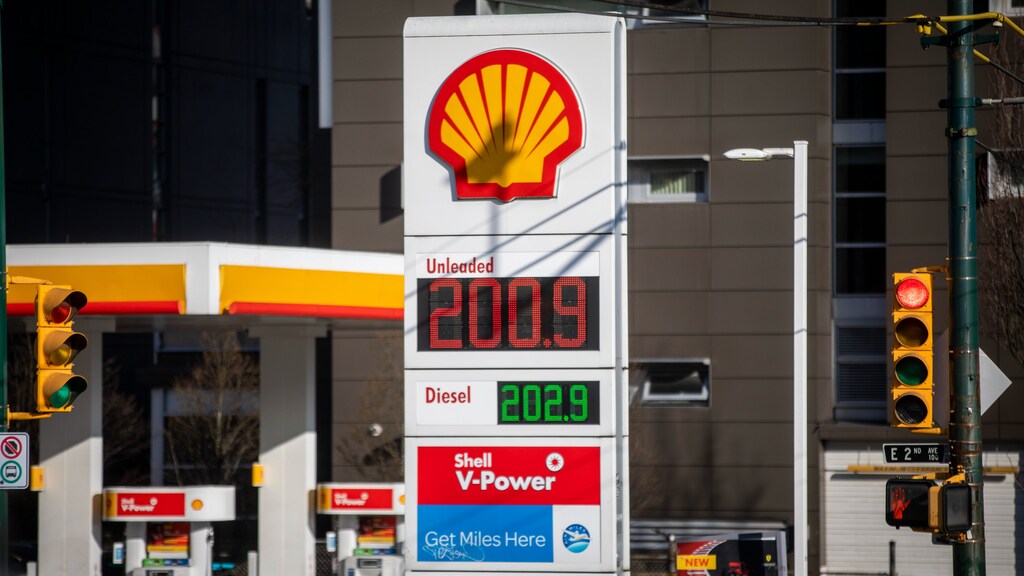
Canada witnessed a noticeable rise in inflation rates during the month of September, with the increase in fuel prices having the direct and most prominent impact on this surge. This economic shift reaffirms the pivotal role that energy markets play in shaping macroeconomic indicators and their direct impact on consumers' cost of living.
The Impact of Energy Prices on Inflation
Crude oil price fluctuations in global markets are the primary driver of retail gasoline price changes in Canada. When energy costs rise, the impact is not limited to fuel costs at the pumps alone, but extends to include the transport and logistics sectors, leading to increased costs for transporting goods and essential services. This close link makes the energy sector a sensitive element in consumer price index calculations, as any rise in fuel prices leads to tangible inflationary pressures.
Macroeconomic Context and Market Implications
Economic experts are closely following these developments to understand the nature of price changes in the Canadian economy. Although inflation may be influenced by multiple factors, energy remains the most volatile and influential variable in the short term. This data is considered an important indicator for monetary policy makers who rely on monitoring price stability to assess the general economic situation. The reliance on fossil fuels in the transport sector means that any disruption in global oil markets will quickly reflect on the Canadian street, highlighting the utmost importance of analyzing energy markets as an integral part of understanding the inflationary dynamics facing the economy at the present time.


