Written by: Salma Al-Saqqa
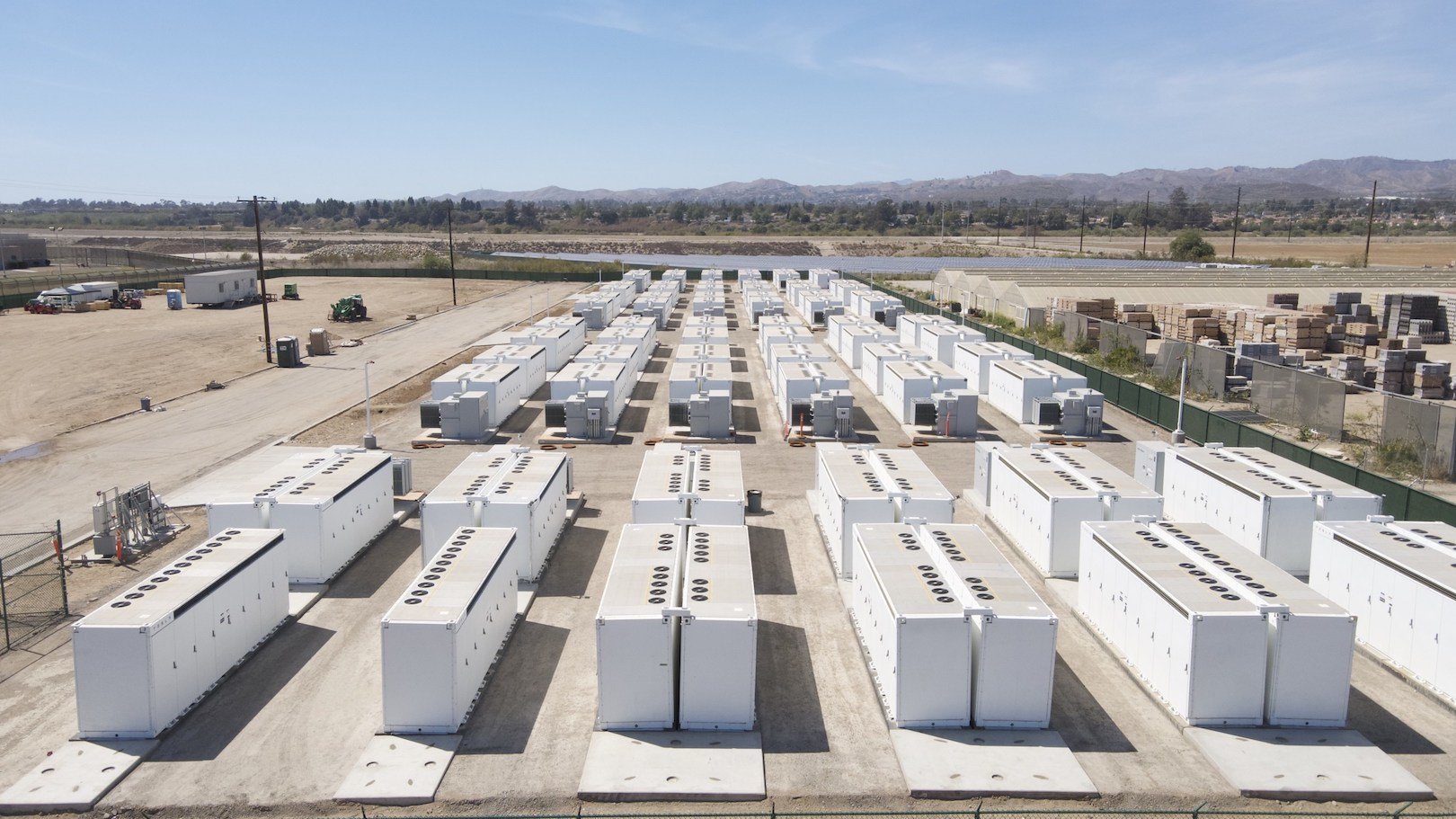
Bulgaria has officially begun construction on a prominent new electrical energy storage project, utilizing Tesla battery systems with a total storage capacity of 300 megawatt-hours.
This significant project comes as part of ongoing efforts to strengthen energy sector infrastructure, support national power grids, and facilitate the more effective and sustainable integration of renewable energy sources into the energy system.
The importance of energy storage projects
Energy storage projects using lithium batteries, including advanced technologies provided by Tesla, are gaining increasing strategic importance in European and global energy markets. These batteries play a pivotal role in addressing challenges associated with fluctuations in renewable energy production, such as solar and wind power, providing high stability and reliability to electrical grids during peak times.
European countries are constantly seeking to develop and expand their energy storage capabilities as a fundamental pillar of green transition strategies, emission reduction, and achieving targeted environmental sustainability and carbon neutrality goals.
Enhancing energy security
Modern energy storage projects contribute to reducing reliance on traditional fossil fuel-based power plants during peak demand times, which positively impacts energy security and lowers operational costs for grids.
As work on the new project progresses, attention is shifting toward the role of these technical developments in accelerating the transition toward clean energy and supporting the efficiency of resource consumption for the future.