Written by: Karim Hammam
The Egyptian state has adopted an ambitious strategy aimed at reducing carbon emissions in the oil and gas sector by up to 65% by 2030. This initiative is a fundamental pillar within the efforts to transition towards clean and sustainable energy, in line with the targets of Egypt's Vision 2030 and the National Climate Change Strategy 2050, in a step aimed at enhancing operational performance, reducing the environmental impact of extractive industries, and turning emission reduction plans into realistic projects.
Pillars of the Decarbonization Strategy
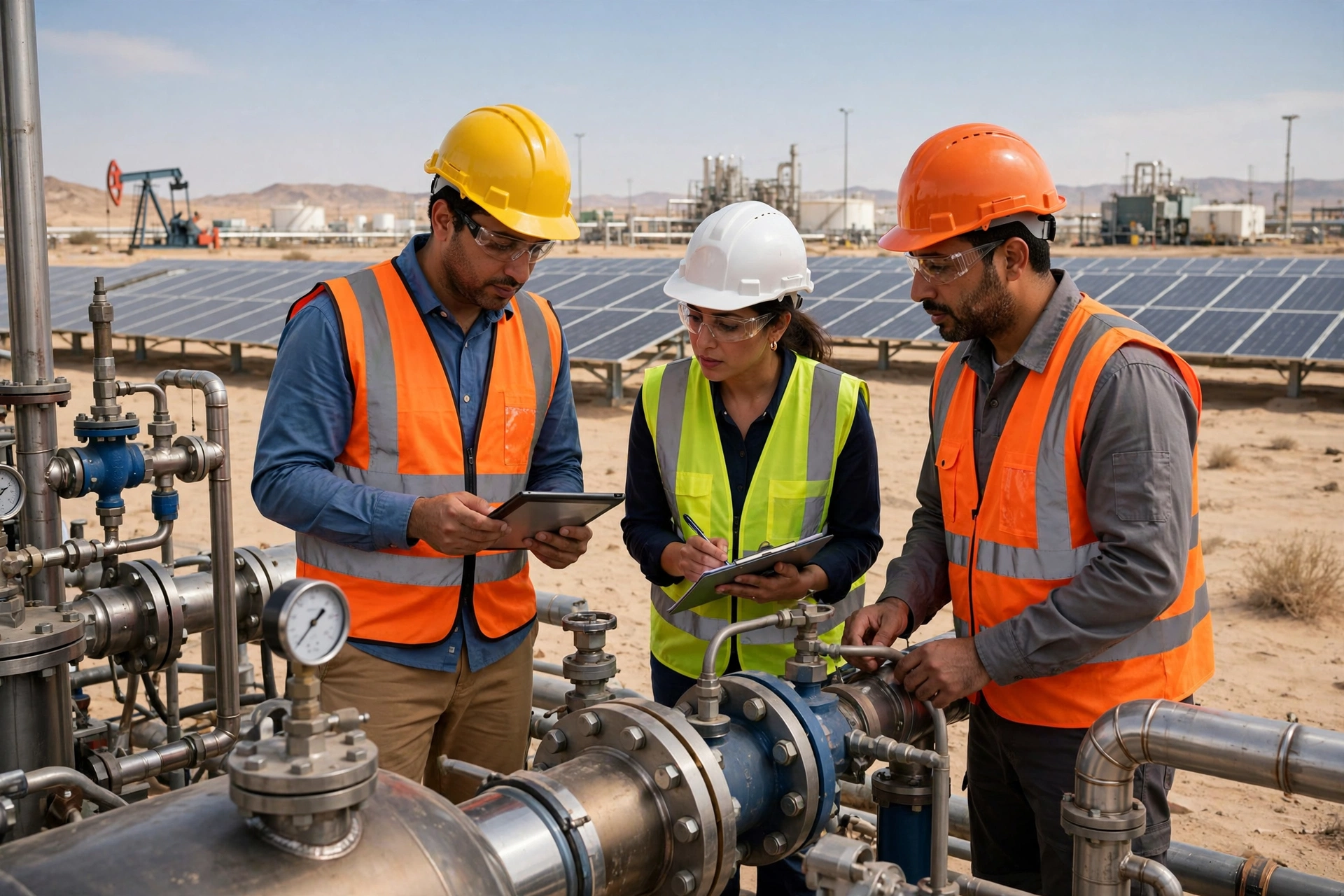
Decarbonization efforts in the petroleum sector are based on a package of precise technical measures covering the entire value chain. These pathways include halting routine flaring of flare gas by establishing advanced collection networks, in addition to installing vapor recovery units at vital sites to capture hydrocarbon emissions during loading and unloading operations. The plan also includes upgrading equipment to raise energy consumption efficiency in affiliated companies, expanding the integration of solar energy to power remote production fields, as well as applying carbon capture, utilization and storage (CCUS) technologies and injecting it into mature fields to enhance extraction operations.
The Role of Technology and International Partnerships
The initiative relies increasingly on digital transformation and artificial intelligence to raise performance efficiency, as Internet of Things algorithms contribute to monitoring energy consumption in real-time and identifying leakage or loss locations, allowing for immediate intervention. At the international level, the Ministry of Petroleum and Mineral Resources continues to enhance its regional and international partnerships and exchange legislative and regulatory expertise for carbon markets, in cooperation with the Ministry of Environment to ensure the implementation of an effective national roadmap for carbon capture projects.
Economic and Environmental Returns
The goals of this initiative are not limited to environmental aspects alone, but extend to achieving huge economic savings by reducing waste in hydrocarbon materials and improving the efficiency of operational processes. These efforts also contribute to improving air quality in areas surrounding petroleum complexes, which enhances the public health of local communities, and demonstrates the ability of extractive industries to adapt to global standards and overcome regulatory challenges and climate change.


