Written by: Fatima Younis
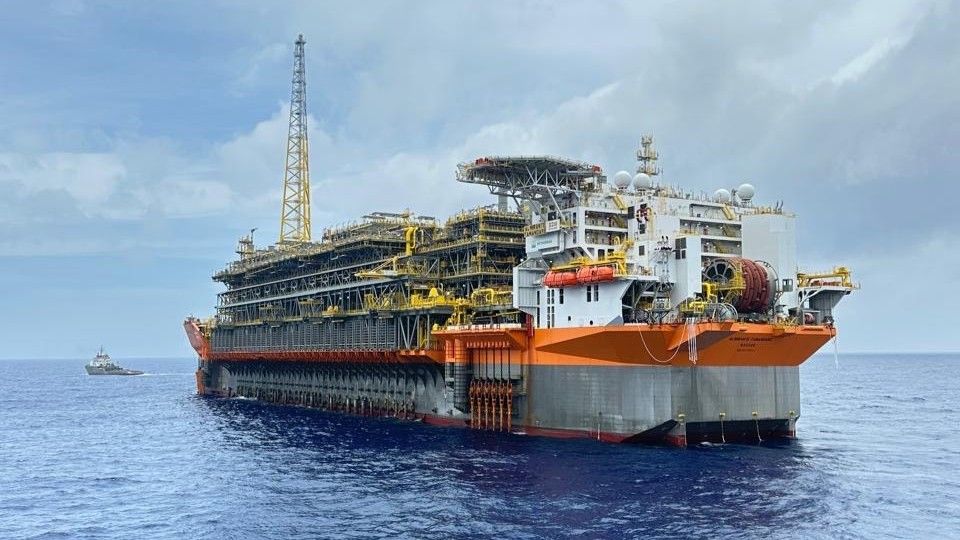
Operations of the Brazilian company Petrobras in deep waters are witnessing a qualitative leap, leading to an unprecedented increase in demand for offshore support vessels. This growth in the exploration and production sector's activity, especially in strategic fields such as the Buzios field, has created a clear gap between available vessels and increasing operational needs, placing Brazil at the forefront of the global offshore support vessel market.
Supply and Demand Challenges in the Brazilian Market
Estimates indicate that the offshore oil sector in Brazil will need about 40 additional vessels by 2030 to keep pace with operational expansion. Despite local laws giving priority to vessels flying the Brazilian flag, the local fleet faces difficulty meeting the requirements of operating companies, opening the door for international companies to benefit from these investment opportunities amid expectations of rising daily vessel charter rates.
Corporate Acquisitions and the Role of Local Content
As part of its efforts to enhance its logistical capabilities, global companies such as Tidewater have expanded their presence in the Brazilian market through strategic acquisition deals. The acquisition of the Wilson Sons Ultratug fleet added a large number of platform supply vessels to Tidewater's global fleet, facilitating training and maintenance operations thanks to the compatibility of designs in the acquired vessels. For its part, the Brazilian National Agency of Petroleum, Natural Gas and Biofuels continues to support local content initiatives to revitalize the national shipbuilding industry, contributing to the local construction of hundreds of vessels and oil tankers, which creates thousands of jobs in the navigation and maritime industries sector.
The Transition Toward Hybrid Vessels and Sustainable Fuel
Brazil is adopting an innovative approach to modernizing its logistical fleet by integrating hybrid vessel technologies that combine traditional engines with alternative energy sources, aiming to reduce carbon emissions and fuel consumption. The Starnav Electra vessel, which operates on a lithium battery system, is a living example of this technological transition. Strategic plans also include the use of marine fuel blended with biodiesel, in addition to adopting unmanned surface vessel technologies that promise to reduce fuel consumption by up to 90%, contributing to lower operational costs for complex offshore projects.


