Written by: Ahmed Abdel Salam
Consulting firm McKinsey has predicted that Asia will need massive annual investments reaching $1 trillion in the energy sector over the next fifteen years. These estimates are aimed at enhancing energy security in the region, especially in light of the challenges and disruptions that may face oil and gas flows through vital waterways such as the Strait of Hormuz.
Accelerated growth in energy demand
Forecasts for energy demand in Asia have been raised to reach 370 million terajoules by 2040, representing a 15% increase over previous estimates. The region is expected to account for about 70% of total global growth in energy demand until that year, driven by the emergence of new sources of demand such as data centers, and increasing needs related to industrial activities and cooling operations.
Coal and natural gas usage forecasts
The future trajectory indicates a continued reliance on coal for longer than expected, as demand is likely to stabilize in Asia over the next decade, where the decline in consumption within China will be offset by the growing growth in India and Southeast Asian countries. Regarding natural gas, a slowdown in demand growth is expected over the next five to ten years, given the prioritization of coal and renewable energy sources in electricity generation, before consumption rises again driven by the industrial sector.
Expansion in renewable energy and biofuels
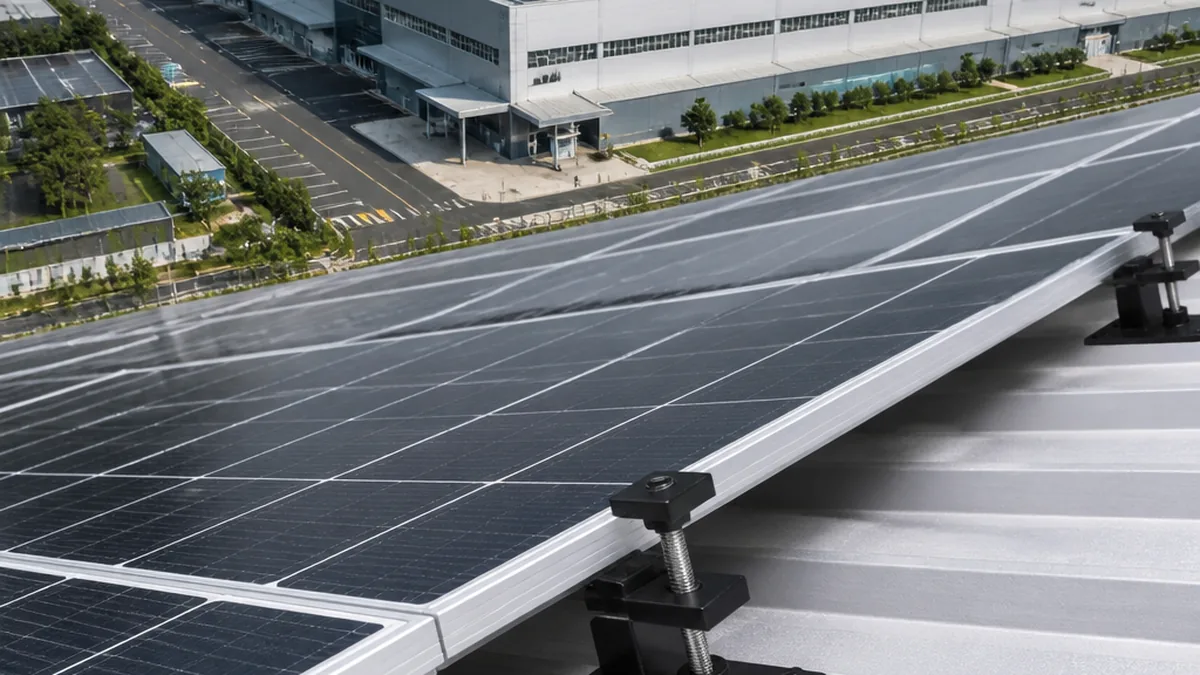
The region is witnessing a noticeable acceleration in renewable energy projects, especially in India and Southeast Asia, with expectations of annual investments reaching $300 billion in solar and wind energy until 2040. Biofuels may also contribute to reducing the value of fuel imports by amounts ranging between $90 billion and $100 billion by 2040, supporting the strategies of Asian countries to reduce dependence on external imports in the long term.
Investment in exploration and production
The increasing focus on energy security may stimulate the development of high-cost projects in upstream oil and gas exploration and production activities. This trend is expected to receive government support in several countries, including China, the Philippines, Thailand, Vietnam, and Turkmenistan, to ensure the sustainability of supplies and counter global market volatility.


