Written by: Ahmed Abdel Salam
Crude oil prices recorded a noticeable increase in global markets, exceeding the $111 per barrel barrier, against the backdrop of escalating geopolitical tensions in the Arabian Gulf region. This price jump comes at a time when investors and analysts are closely monitoring field and political developments that could directly affect global energy supply chains.
The impact of regional tensions on energy markets
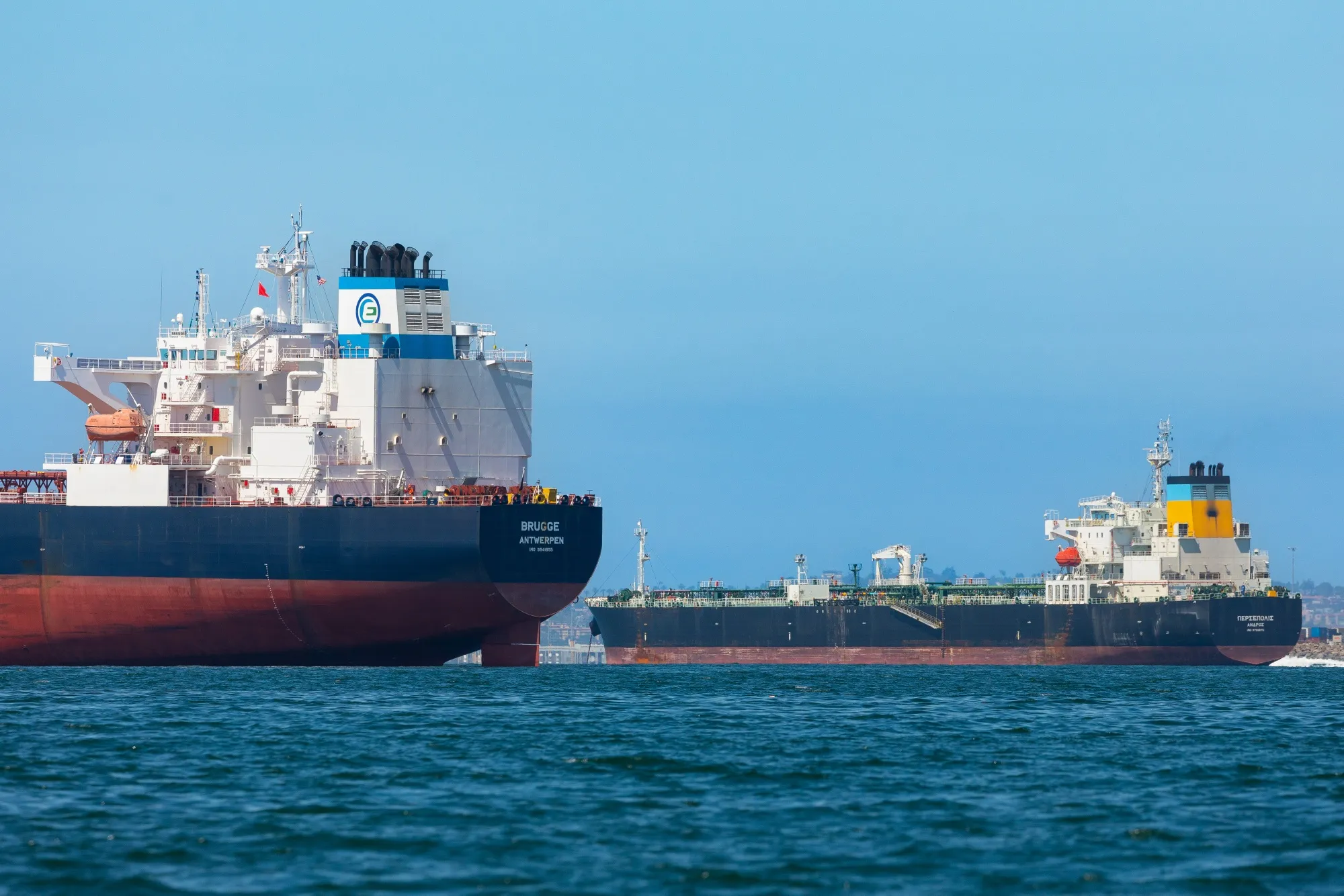
The Gulf region is a vital artery for global energy supplies, as a large percentage of oil production destined for international markets passes through its straits and ports. A state of instability or hints of escalating tensions in this region usually leads to an immediate reaction in the futures markets, as concerns rise regarding navigation security and ensuring the continuity of crude flow to consumers on various continents.
These fears are directly reflected in the risk premiums imposed by traders on oil prices, pushing them upward. When indicators of potential supply disruptions emerge, traders rush to build long positions as a hedge against any potential scarcity in the markets, especially in light of the delicate balances between supply and demand currently witnessed in global markets.
Economic repercussions and market fluctuations
Energy experts point out that the price fluctuations we are witnessing reflect the extent of market sensitivity to geopolitical events in major production centers. Oil exceeding $111 levels puts additional pressure on import-dependent economies, and raises questions about shipping and insurance costs that may rise as a direct result of increased security risks in vital waterways.
Despite balancing attempts by producing countries to ensure market stability, unpredictable political factors remain the biggest driver of price fluctuations in the short term. Anticipation remains the dominant feature in daily transactions, as everyone follows diplomatic paths and field movements to assess the ultimate impact on the sustainability of global energy supplies, amid expectations that the state of fluctuation will continue as long as tensions remain in the region.


