Written by: Islam El-Saqqa
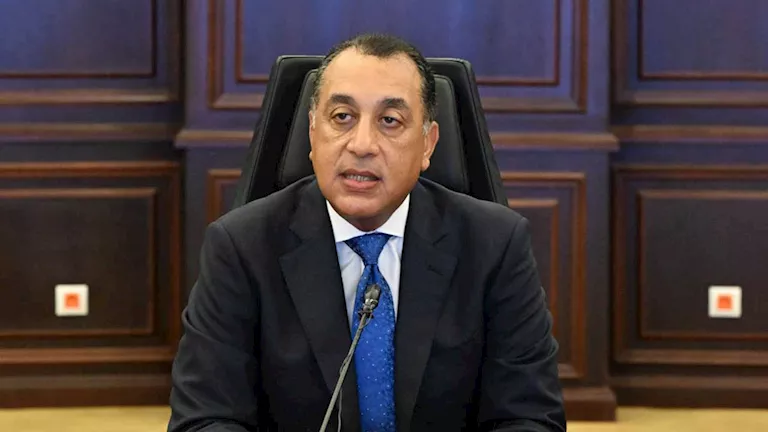
Dr. Mostafa Madbouly, Prime Minister, confirmed that the Egyptian government has chosen to bear the increase in petroleum prices rather than passing it on to citizens, in light of the global economic challenges and the successive increases in energy costs witnessed by international markets during the current period.
Scenarios for dealing with energy crises
The Prime Minister explained, during the activities of the Egypt Forum, that the state has developed three main scenarios to deal with the sudden rise in global petroleum prices, coinciding with the rise in the price per barrel from $75 to record levels reaching $110. He pointed out that the first scenario consists of passing the full increase in energy costs to the citizen, similar to the experiences of other countries, while the second scenario is based on the state bearing the full increase to alleviate living burdens, despite the additional financial pressures this imposes on the general budget and debt rates.
Managing fuel and electricity supplies
The Prime Minister touched on the third scenario, which involves reducing the quantities of imported petroleum products and adhering to the financial allocations specified in the budget in a manner commensurate with available resources in light of the new prices. The Cabinet's Media Center later explained that the presentation of these alternatives came within the framework of transparency and explaining the challenges and options available to the state to deal with the energy crisis, confirming that no actual decisions have been taken regarding load shedding or reducing fuel supplies to stations in a way that affects citizens' basic needs.


