Written by: Karim Hammam
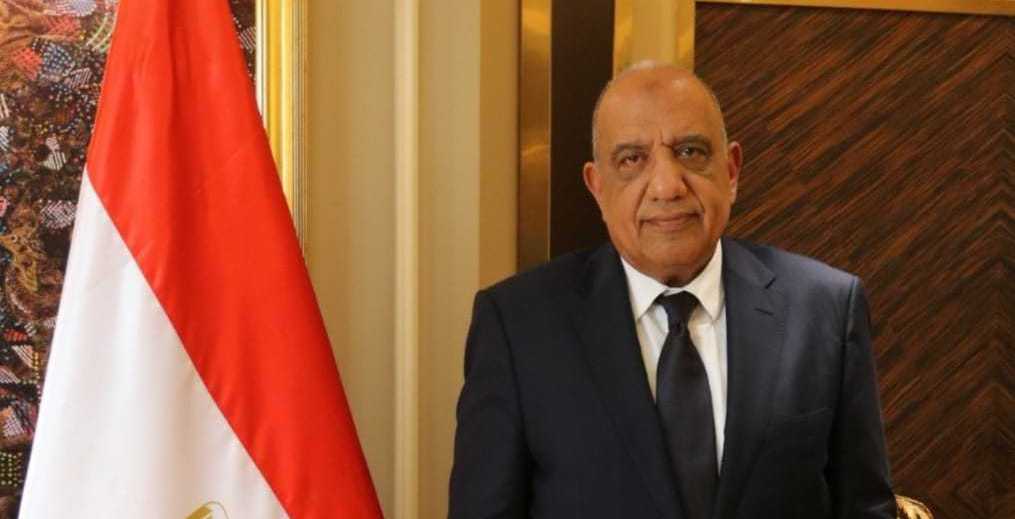
Dr. Mahmoud Esmat, Minister of Electricity and Renewable Energy, confirmed that the Egyptian state has allocated huge investments amounting to about 160 billion EGP to support new and renewable energy projects. The Minister explained that these efforts come within the framework of a national strategy aimed at enhancing energy sustainability and rationalizing the consumption of traditional fuel by diverting it for use in other economic sectors.
Strategy for Expanding Renewable Energy
During his participation in the session "The Egyptian Energy Journey.. National Achievements and Future Prospects" as part of the Egypt 2026 Forum activities, Esmat emphasized that the cost assessment of renewable energy projects is not limited only to building production plants, but must also include investments directed toward developing national electricity grids to ensure system stability. He pointed out that expansion in this sector goes beyond simply establishing solar and wind power plants, extending to include updating the infrastructure necessary to accommodate produced capacities and transmit them with high efficiency to consumption centers.
Infrastructure Integration and Asset Sustainability
The Minister of Electricity explained that achieving the state’s targets in the energy mix depends fundamentally on precise coordination between establishing new generation plants and expanding and developing electricity transmission grids. He stressed that this process ensures achieving the maximum possible benefit from the produced energy, while simultaneously working to maintain the efficiency of existing assets and maximizing the return on previous investments. Esmat noted that integrated planning remains the primary pillar for meeting current and future consumption needs, while taking into account operational costs and production factors to serve the long-term sustainability of the sector.