Written by: Islam Al-Saqqa
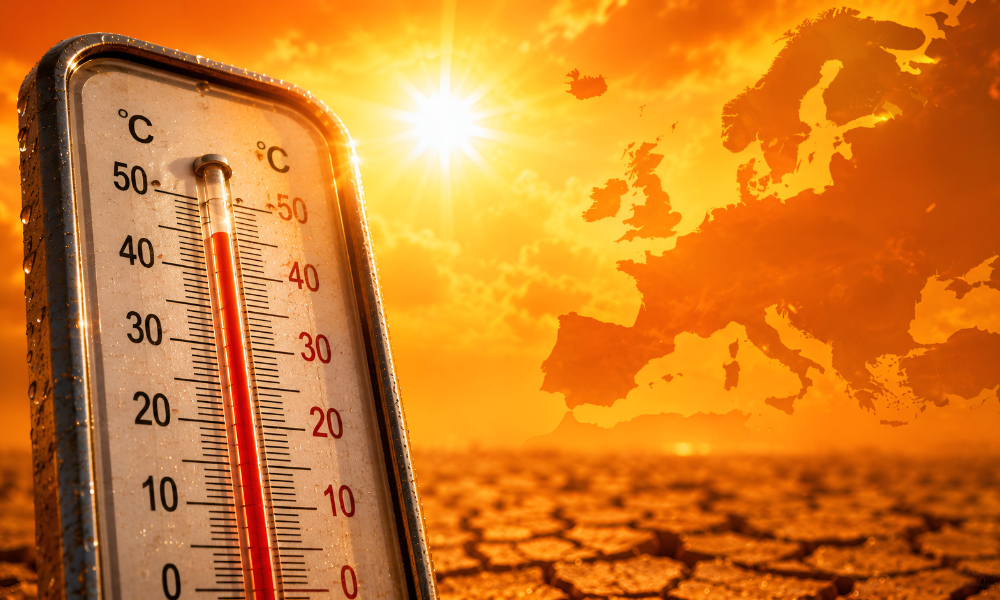
A recent study showed that more than fifty thousand people died due to heatwaves in European cities during the summer, and that about two-thirds of these deaths would not have occurred without the effects of climate change resulting from the burning of fossil fuels. These results came within new research modeling prepared by researchers at Imperial College London and the London School of Hygiene & Tropical Medicine, and published in the journal Nature Medicine.
Record death toll related to rising temperatures
The study involved analyzing data from 854 cities in 30 European countries with a population of about 173 million. The modeling estimated more than 50,000 additional heat-related deaths between June and August, attributing about 32,000 of them to global warming caused by human activities. This toll is about 50 percent higher compared to the summers of 2003 and 2022, which previously represented the benchmark in the number of heat deaths.
The elderly are most affected by extreme heat
The largest percentage of deaths was concentrated among older age groups, with people aged 85 and over accounting for about 45 percent of total modeled deaths, while those aged 75 and over accounted for about three-quarters of the total. In contrast, deaths were not limited to the elderly, as estimates indicated about 6,000 deaths among the workforce aged 20 to 64.
Varying impacts between European countries
Countries such as Malta, Italy, and Hungary recorded the highest relative death rates per million people, while the United Kingdom saw a relatively lower toll compared to the continental average, despite recording local record figures compared to previous years. The analyses indicated that the severe heatwave that struck Western Europe during the second half of June was alone responsible for about 30 percent of the total summer deaths.
Implications of climate risks for the insurance sector
These increasing indicators of heat deaths place the insurance and pension sector before new structural challenges, especially regarding insurance protection products, individual life insurance policies, and pension schemes. European regulators have classified severe heatwaves as the most prominent risks related to climate liability for health and income protection insurance companies, which necessitates continuous assessment of long-term climate change risks.