Written by: Karim Hammam
Energy markets are witnessing noticeable volatility with the return of inflation pressures and rising fuel and wholesale costs, coinciding with policy risks related to wars and tariffs. In light of these conditions, a group of US energy stocks that are directly affected by rising oil and gas prices is emerging.
Natural Gas Services Group (NGS)
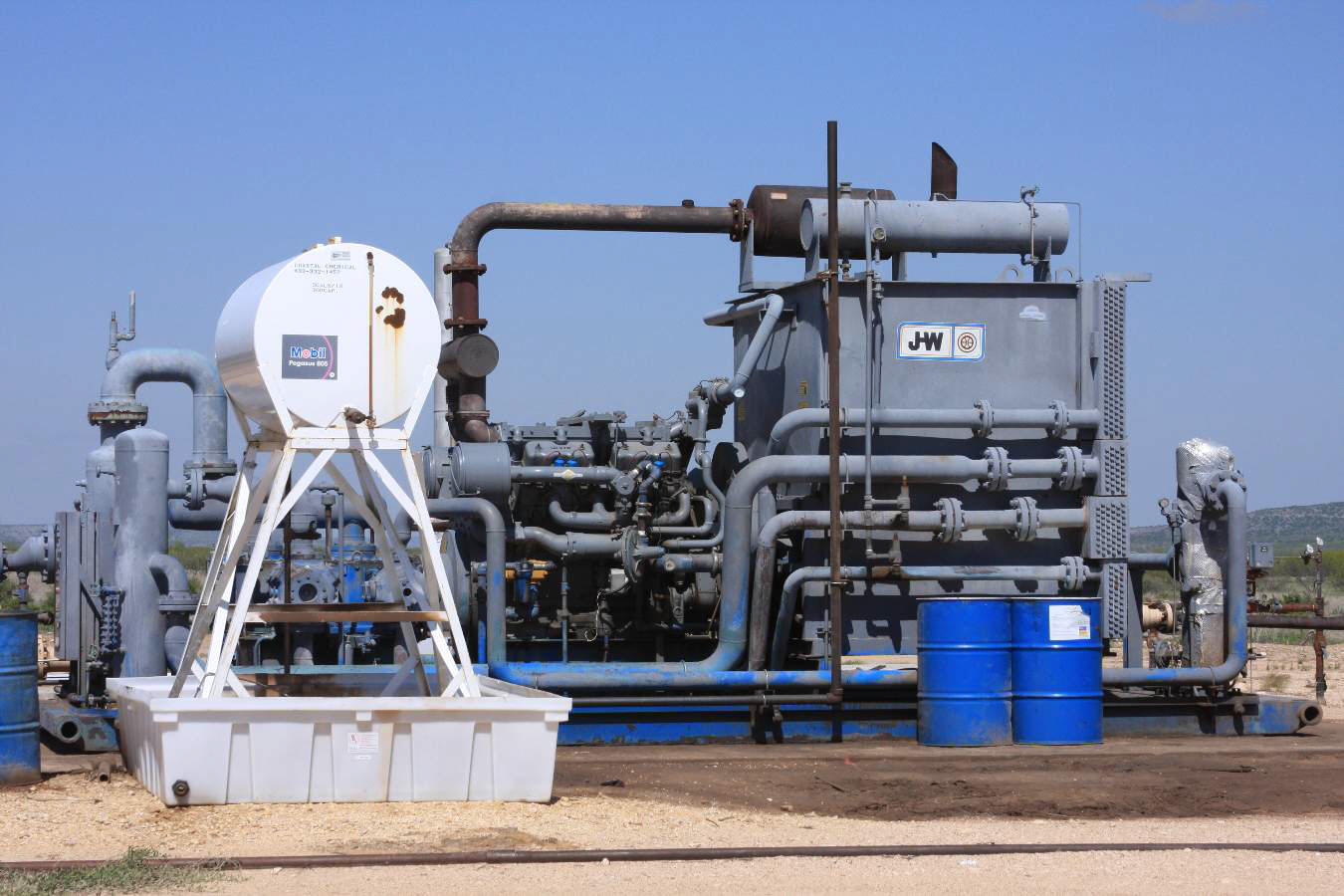
Natural Gas Services Group specializes in the rental and maintenance of natural gas and electric compression equipment, which is essential for maintaining production flow at oil and gas facilities within the United States. The company generates about $182 million from compression equipment rentals, with additional contributions from sales and after-sales services. The company benefits from accelerated growth in liquefied natural gas exports and increasing demand from sectors such as artificial intelligence data centers and power generation, which enhances the utilization rates of its compression assets.
Viper Energy (VNOM)
Viper Energy owns mineral and royalty rights in the Permian Basin, receiving income from oil and gas when operators conduct drilling and production activities. The company has generated about $1.9 billion from the acquisition of oil and gas properties, and all its activities are concentrated in the United States. The company's market capitalization reaches $16.2 billion. Its business model is characterized by revenue being closely tied to oil and gas prices without the need to bear the costs of drilling budgets or directly operating fields, as the decision to develop land is left to the operators.
California Resources (CRC)
California Resources operates in oil, gas, and energy production in the state of California, and also manages carbon capture and storage projects through the Carbon TerraVault platform. The company's total revenue is about $3.7 billion, of which $3.4 billion comes from the oil and natural gas sector, and its market capitalization is $4.8 billion. The company is directly affected by fuel pricing in California and local energy security, and potential regulatory reforms in the state could contribute to giving the company greater operational flexibility to increase production levels and growth.


