Written by: Ahmed Abdul Salam
Finland is seeking to boost the renewable hydrogen sector by laying the foundations for the development of large-scale underground hydrogen storage facilities in crystalline rock, in a strategic step that compensates for the absence of natural salt caverns relied upon by other European countries.
Hydrogen Storage to Counter Production Fluctuations
As Europe expands in renewable hydrogen production, the urgent need for large-scale storage facilities arises to balance production and consumption over days and weeks. While pipelines provide short-term flexibility, multi-day balancing requires massive underground installations.
Joint Study and Storage Costs
A recent Finnish study conducted by the VTT Technical Research Centre and the Geological Survey of Finland GTK, in cooperation with a group of companies operating in the hydrogen sector, demonstrated the feasibility of developing hydrogen storage in crystalline rock. The project estimated that building a storage facility with a volume of 40,000 cubic meters would cost about 30 million euros, while the total project period takes between four to five years, including planning and licensing stages.
Design Challenges and Geological Safety
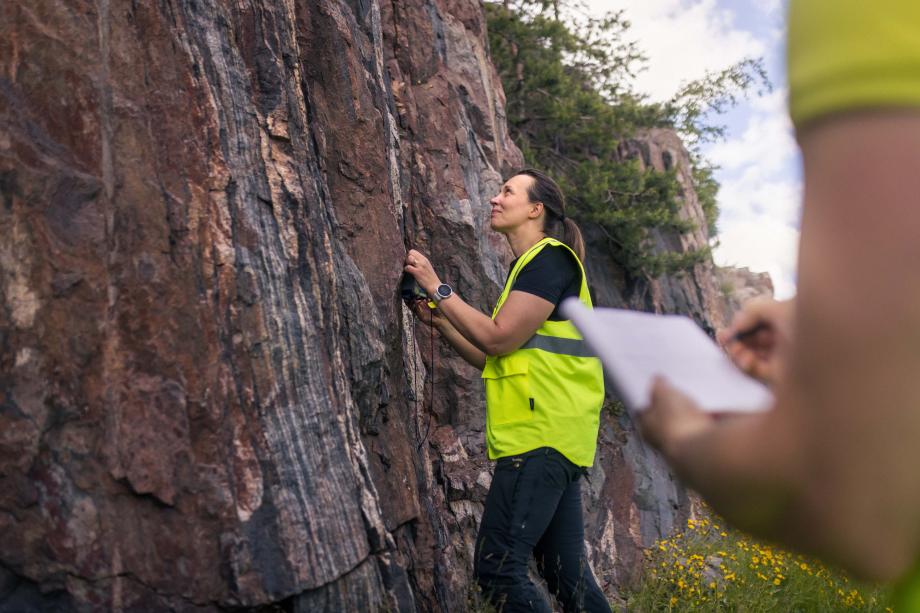
While other regions in Europe rely on natural salt caverns that naturally provide gas-tight conditions, the crystalline rocks in Finland require excavating caverns and developing technical solutions to achieve gas tightness. Experts emphasized that geological site selection and material studies are essential steps to ensure the stability of the surrounding rock and maintain safety standards.
The Future of the Hydrogen Economy
Finland's hydrogen economy is expected to develop in phases, starting with the emergence of regional clusters, leading to an increased need for medium-sized storage facilities with capacities ranging between 10,000 and 40,000 cubic meters. Participants in the initiative confirm that investment support and close cooperation across value chains are decisive factors to accelerate the pace of development of these projects.