Written by: Salma El-Saqqa
Higher education and energy sectors are witnessing intensive efforts to develop human capital training programs in line with the requirements of the green transition and modern technological development. Specialized universities are working to update their curricula and enhance applied research and digital technologies to meet the growing labor market needs in the renewable energy and modern engineering sectors.
Developing Marine Engineering Programs
Academic institutions concerned with the energy sector are seeking to integrate advanced knowledge with applied research to serve production and marine exploitation projects. Updated academic programs include the study of pipeline systems, drilling platforms, process efficiency improvement, as well as stability assessment and corrosion prevention solutions for marine facilities.
Modernization paths also include expanding into the fields of offshore renewable energy and digital technologies, such as the design of offshore wind farms, turbine systems, and intelligent control technology. These trends contribute to integrating artificial intelligence and data analysis to monitor projects and manage assets with high efficiency.
Expanding Renewable Energy Specialties
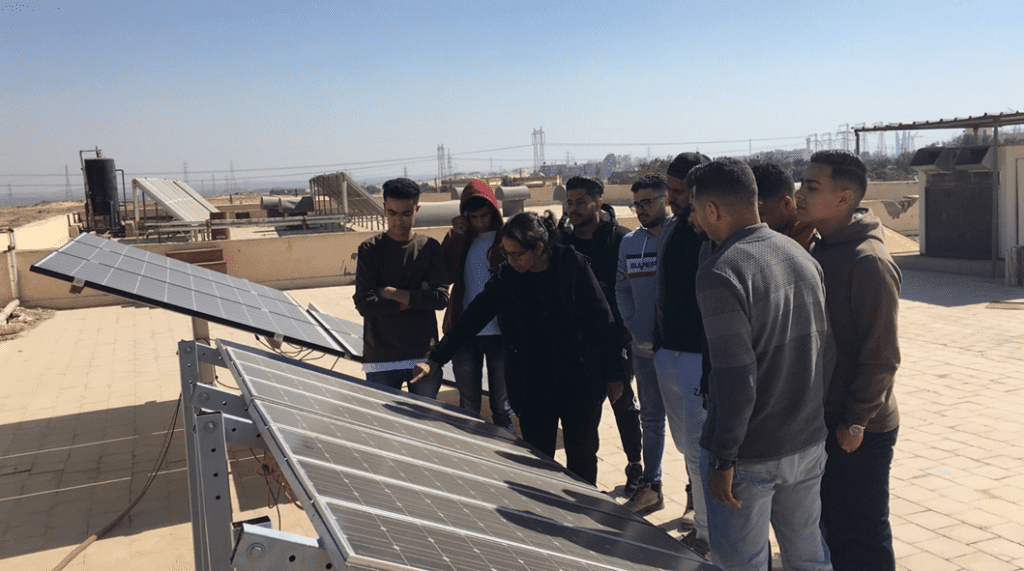
In addition to the petroleum sector, other educational institutions are launching new specialties that respond to the requirements of digital and environmental transformation, with a focus on renewable energy sources, smart grids, energy storage, and increasing consumption efficiency. These efforts aim to provide an advanced educational infrastructure that supports practical training and field application.
Academic plans include establishing specialized training centers for wind energy technologies, covering areas of design, maintenance, transport, and occupational safety. This academic cooperation helps qualify a new generation of engineers capable of managing modern technical systems and achieving sustainable development goals in the energy sector.