Written by: Basant El-Farmawy
A recent report revealed that environmental and human rights violations in supply chains are causing heavy losses to the British economy, renewing pressure on the government to enact new legislation to ensure supply security and alleviate financial burdens on companies and individuals.
Data showed that the annual economic cost of environmental damage and labor exploitation in Britain alone is estimated at about 4.4 billion pounds sterling. These losses include the repercussions of forced labor, rivers polluted by contamination incidents, and lost wages. In contrast, estimates indicate that the cost of implementing a human rights and environmental due diligence law would be much lower, not exceeding 400 million pounds sterling, covering corporate compliance costs and the funding of an independent regulator.
Increasing pressure to enact new laws
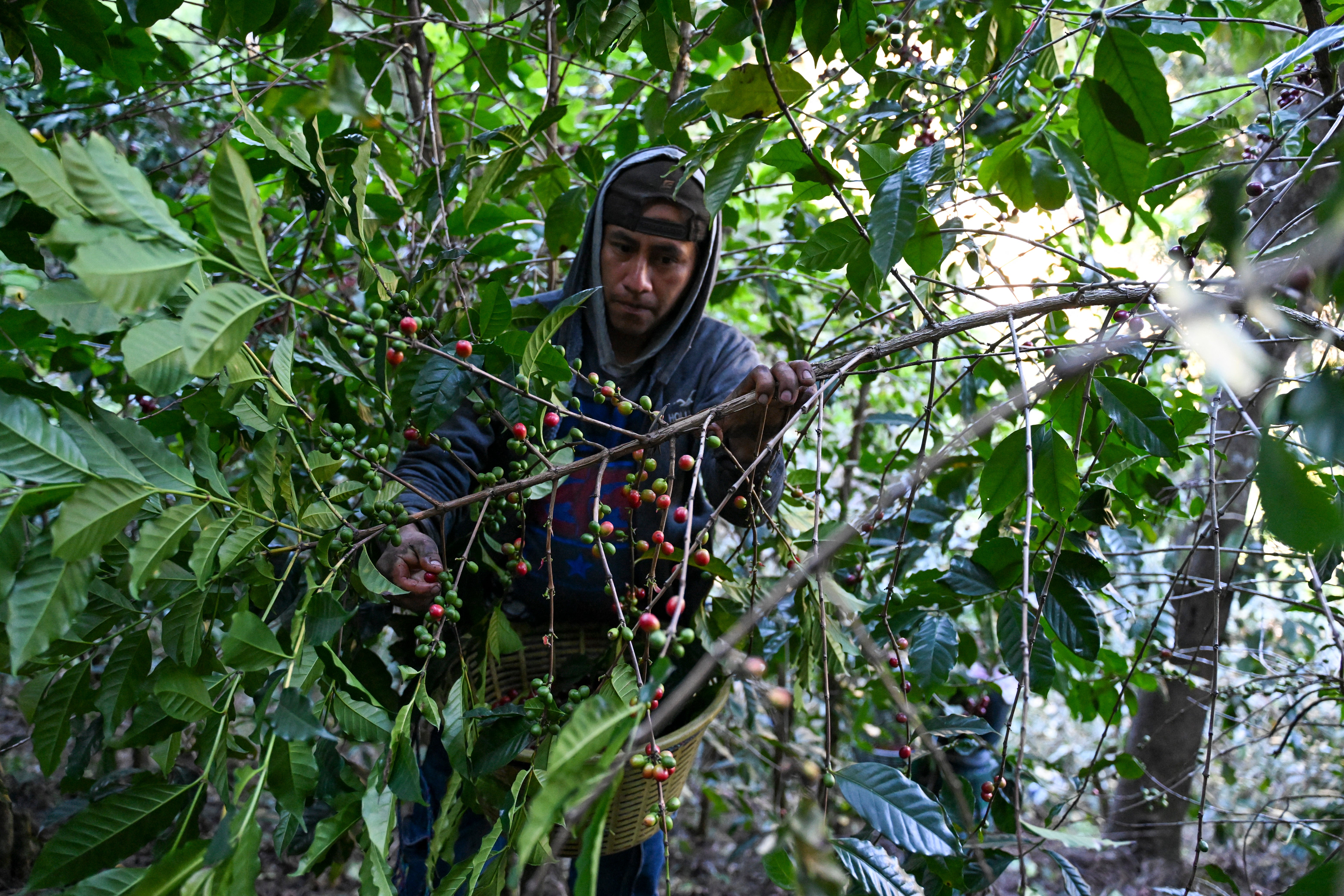
Experts emphasize that current weak regulations impose severe financial burdens on taxpayers and compliant companies that treat their employees and the environment well, warning that they are being undermined by unregulated imports. Britain imports goods and services worth nearly a trillion pounds sterling annually, including a significant portion of food needs, highlighting the urgent need to ensure that food suppliers in developing countries receive fair returns.
Facing climate change crises
These challenges are closely linked to escalating climate crises, such as the expected El Nino climate phenomenon, which threatens to destabilize global food and energy supply chains. Specialists point out that due diligence legislation would compel companies to work with their suppliers to address climate risks and invest in long-term adaptation efforts, reducing the likelihood of price spikes and shortages of essential goods in local markets.
The British government's position
For its part, the government confirmed its full commitment to eliminating forced labor practices, human rights abuses, and exploitative environmental practices in global supply chains. It indicated that it continues to review responsible business conduct policies as part of its trade strategy to evaluate outcomes and take necessary measures to protect the economy and the environment.