By: Ahmed Abdel Salam
Global energy markets are witnessing sharp volatility as markets react to escalating geopolitical tensions in the Middle East and accompanying concerns over crude oil supplies, running parallel to the emergence of weaker-than-expected economic indicators affecting global demand trends.
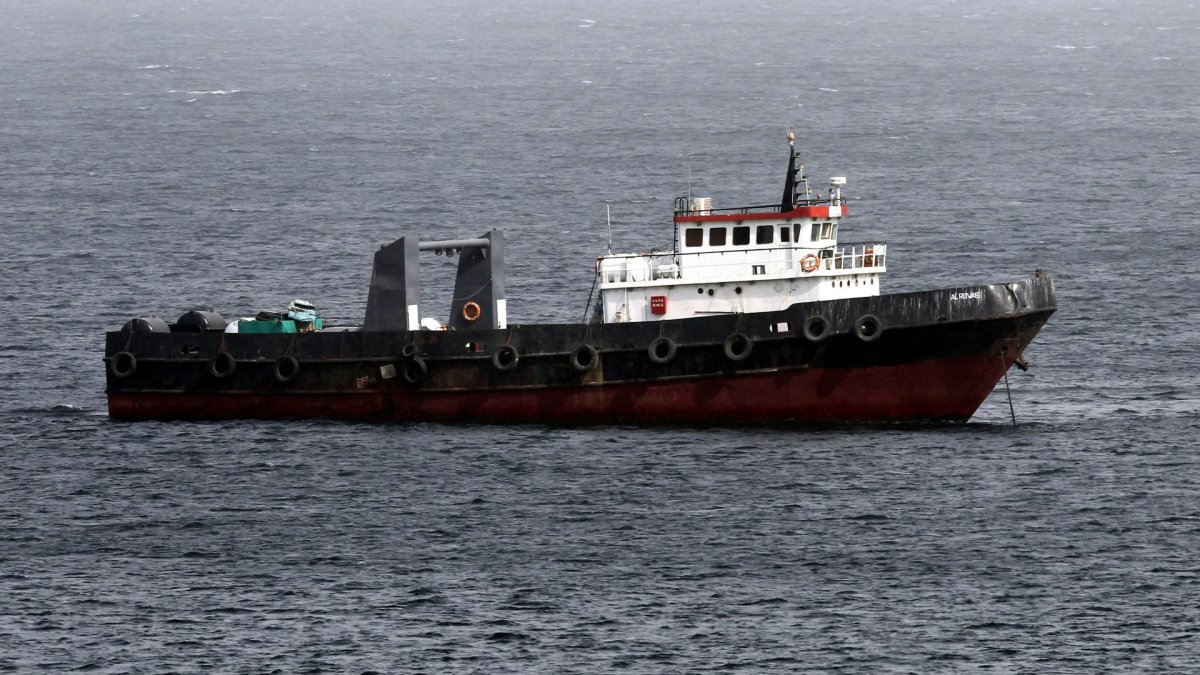
Several ships and marine tankers have been subjected to sporadic attacks in the waters of the strategic Strait of Hormuz over the past weeks, according to reports by maritime traffic tracking groups. As a result of these mounting security risks, the costs of chartering oil tankers and transporting crude through the strait have jumped sharply, with these increases encompassing the coverage of maritime insurance costs and the enhancement of security measures for ship crews. This significant surge in shipping and transport costs has outweighed the impact of any recorded increases in oil supply resulting from the passage of additional tankers.
Impact of Political Developments and Market Expectations
Ongoing events in the Middle East have caused increased speculation among investors regarding the potential for escalating regional tensions. In this context, markets witnessed the trading of unconfirmed reports and conflicting news about potential diplomatic efforts for de-escalation, which led for brief periods to a decline in oil prices before those reports were denied by diplomatic sources and officials. Markets were reacting immediately downward to any news related to the possibility of reaching a truce that would reduce risks surrounding supplies.
Macroeconomic Indicators and Fuel Prices
Alongside geopolitical tensions, oil prices faced other downward pressures linked to weak domestic economic data, particularly in the housing sector, which recorded a decline in building permits and home sales to low levels. This data has raised concerns among traders regarding the possibility of a broader economic slowdown that could negatively reflect on energy and fuel consumption levels. In the same context, living costs and gasoline and fuel prices have become a central issue drawing the attention of consumers and voters, reflecting the close link between political and economic events and the movement of global markets.


