Written by: Ahmed Abdel Salam
A panel discussion entitled "The Egyptian Energy Journey... National Achievements and Future Prospects," as part of the Egypt 2026 Forum, witnessed a comprehensive review of the path taken by the energy sector in Egypt over the past years, and the successes achieved in developing infrastructure and securing national needs.
Energy sector achievements and the development of national grids
The session reviewed the steps taken by the state to enhance and strengthen the national electricity transmission grid, ensuring its ability to absorb energy produced from renewable sources and feed various development projects. It also highlighted the state's success in halting the decline in natural gas production, restoring growth rates, and enhancing liquefied gas reception capabilities to secure all state sectors.
Facing geopolitical challenges and energy costs
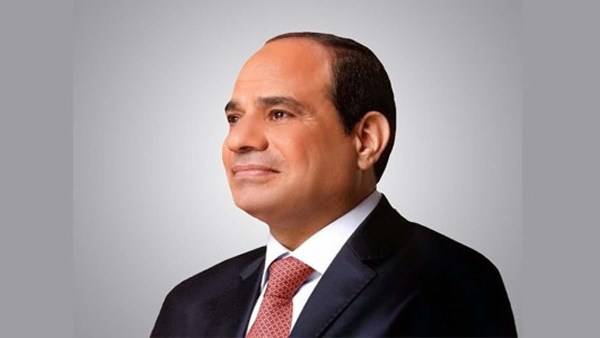
Participants discussed current challenges associated with global and regional geopolitical turmoil and supply chain disruptions, and the measures taken by the state to mitigate their repercussions. President Abdel Fattah El-Sisi explained that the state is working to provide all means of energy continuously despite these challenges, pointing out that planning to build a comprehensive energy infrastructure relies on a mix of traditional and renewable sources, taking into account the high costs of establishing generation stations, distribution networks, and control.
Paying dues of foreign partners and cooperation with the private sector
President Sisi affirmed the Egyptian state's keenness to continue cooperation with the private sector to develop the energy sector, stressing the state's commitment to paying all dues of foreign partners, pointing out that all these dues were actually zeroed out in June 2026. He also noted that the state bears the bulk of the real cost of global energy, especially in light of rising prices and the impact of that on available resources.
Future prospects and the transition towards renewable energy
In a related context, Prime Minister Dr. Mostafa Madbouly pointed out the work to apply a diverse mix of energy uses, with the aim of reaching a 50% reliance rate on new and renewable energy by 2030. The discussion also touched upon the financial pressures resulting from fluctuations in global oil barrel prices compared to the estimated budget, and the economic choices these conditions impose aimed at ensuring the stability of services provided to citizens and the industrial sector.

