Written by: Basant El-Farmawy
Citi group analyses indicate that short-term oil price risks remain tilted to the upside, despite the notable recovery in crude export rates from the Arabian Gulf region. This view is driven by ongoing logistic bottlenecks in maritime supply chains, which keep supplies scarce and costs high despite the return of production volumes.
Logistical Challenges and Record Shipping Costs
The analyses confirmed that the normalization of oil exports from the Arabian Gulf has taken a quantitative rather than a logistical character, as unprecedented inefficiencies in shipping operations continue to keep the costs of delivering crude to markets extremely high. This has been clearly evident in the increased reliance on ship-to-ship transfer operations, with more than one million barrels per day of Gulf crude exports being transferred via this method last September, equivalent to about 7.5% of regional flows—a percentage that was practically non-existent before recent tensions in the region.
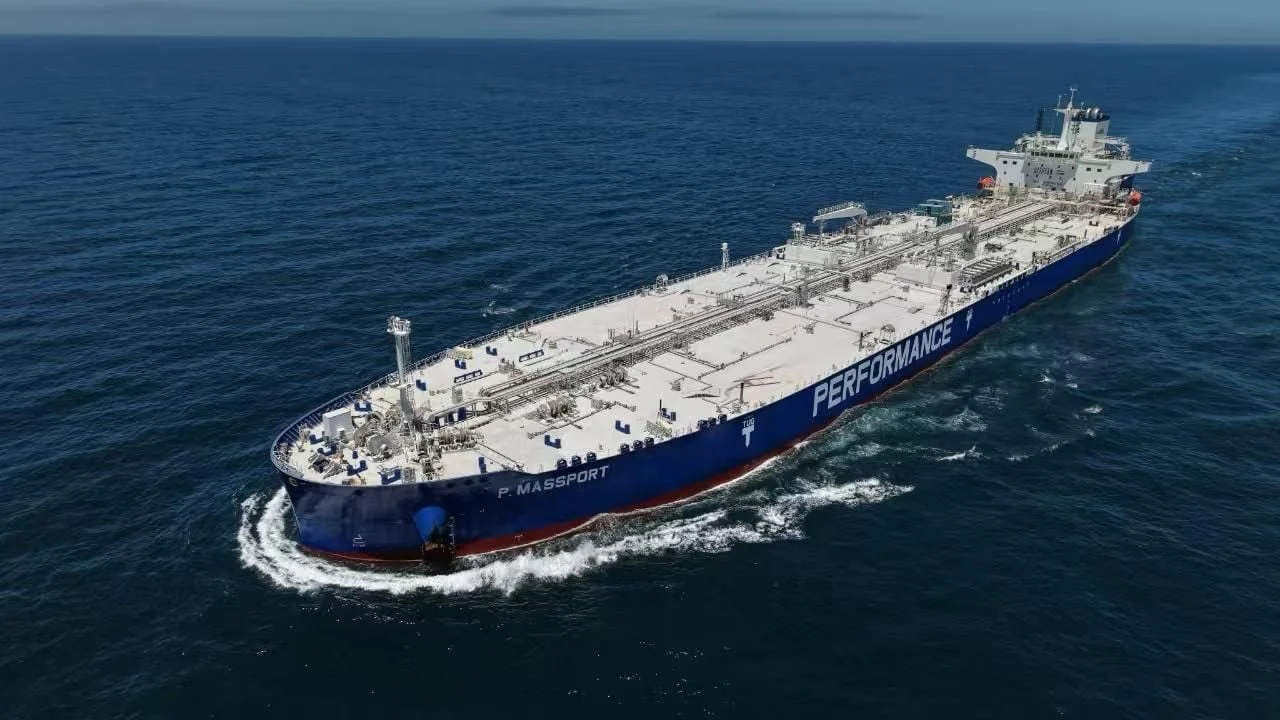
These figures reflect the complexity of the logistical operations behind attempts to recover export levels. In the same context, shipping costs for VLCCs on the trade route between the Gulf and China witnessed sharp rises, recently approaching the level of $250 per metric ton, equivalent to about $35 per barrel, a figure 20 times higher than the average levels recorded over the past decade.
Export Recovery and Shifting Flow Map
Data indicate that Gulf oil flows, excluding Iran, rose to over 81% of pre-conflict levels last September. This recovery was mainly led by the increase in Saudi exports, despite security challenges facing the Kingdom's oil infrastructure and escalating attacks on shipping traffic in the region. In contrast, Iranian exports fell to zero levels as a result of international sanctions imposed.
These developments acquire exceptional importance given the strategic role of the Strait of Hormuz, which handled about a fifth of global oil and liquefied natural gas supplies before recent tensions. Current data confirm that markets still suffer from the effects of instability in supply chains, making price stability contingent upon the global logistics system's ability to absorb these changes and overcome current shipping obstacles.


