Written by: Fatima Younis
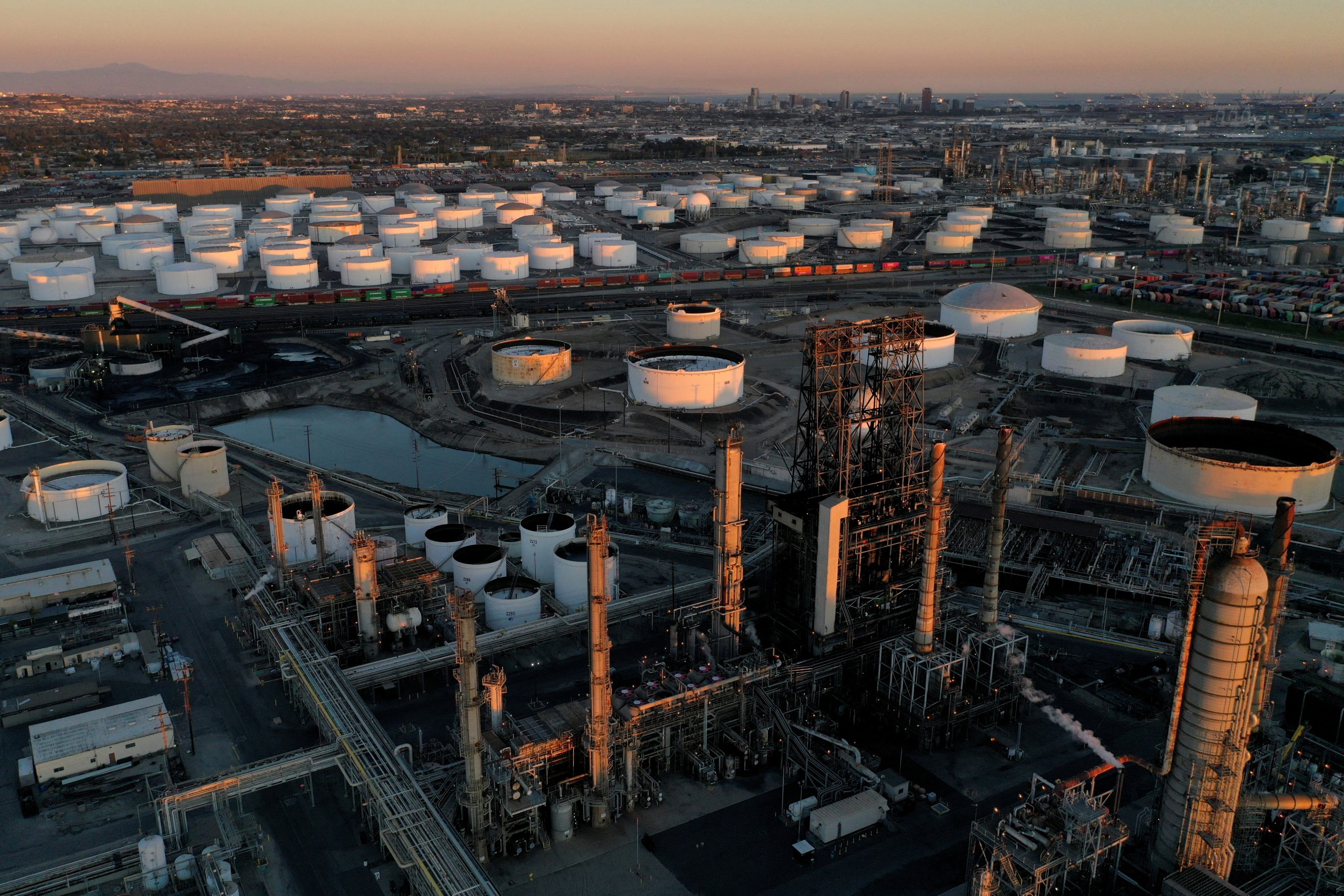
Michigan and Ohio in the United States are witnessing a notable rise in gasoline prices in recent days, driven by sudden technical failures at one of the main refineries supplying fuel to the region. This price escalation is a direct result of shrinking local supplies, which puts additional pressure on consumers in these states that rely heavily on the efficiency of supply chains linked to regional refineries.
Refineries in the American Midwest are vital pillars for the stability of fuel prices in local markets. When any of these facilities experience malfunctions, whether related to periodic maintenance operations or sudden technical incidents, the market responds immediately through price volatility reflecting supply scarcity. The refining process is a complex series of chemical and technical operations that ensure the conversion of crude into finished products ready for consumption, and any disruption in this chain immediately leads to a decline in stocks available for distribution at gas stations.
Although these crises are often temporary, their direct impact is reflected in increased transportation and operating costs for both citizens and businesses alike. Energy experts are constantly monitoring the status of refineries in these regions due to their high sensitivity to any emergency changes in production schedules. These price pressures are expected to continue until the affected refinery can restore its full production capacity and resume pumping the usual quantities of gasoline to the markets. This situation reflects the importance of diversifying supply sources and the flexibility of energy infrastructure in dealing with sudden operational challenges to ensure market stability and meet local demand.
Furthermore, logistical challenges in distributing petroleum products within the United States contribute to complicating the scene. Michigan and Ohio rely on a network of pipelines and storage facilities that operate regularly to meet transportation and daily consumption needs. A malfunction in the refinery not only reduces production but also forces distributors to look for alternatives from other regions, which raises transportation and logistics costs—costs that are eventually passed on to the end consumer. This case is a vivid example of the extent to which the energy sector is intertwined with the daily lives of citizens, and how sensitive fuel prices are to any operational disruptions within major plants, which calls for continued investment in improving refinery efficiency and maintenance to avoid such sudden interruptions in the future.


